

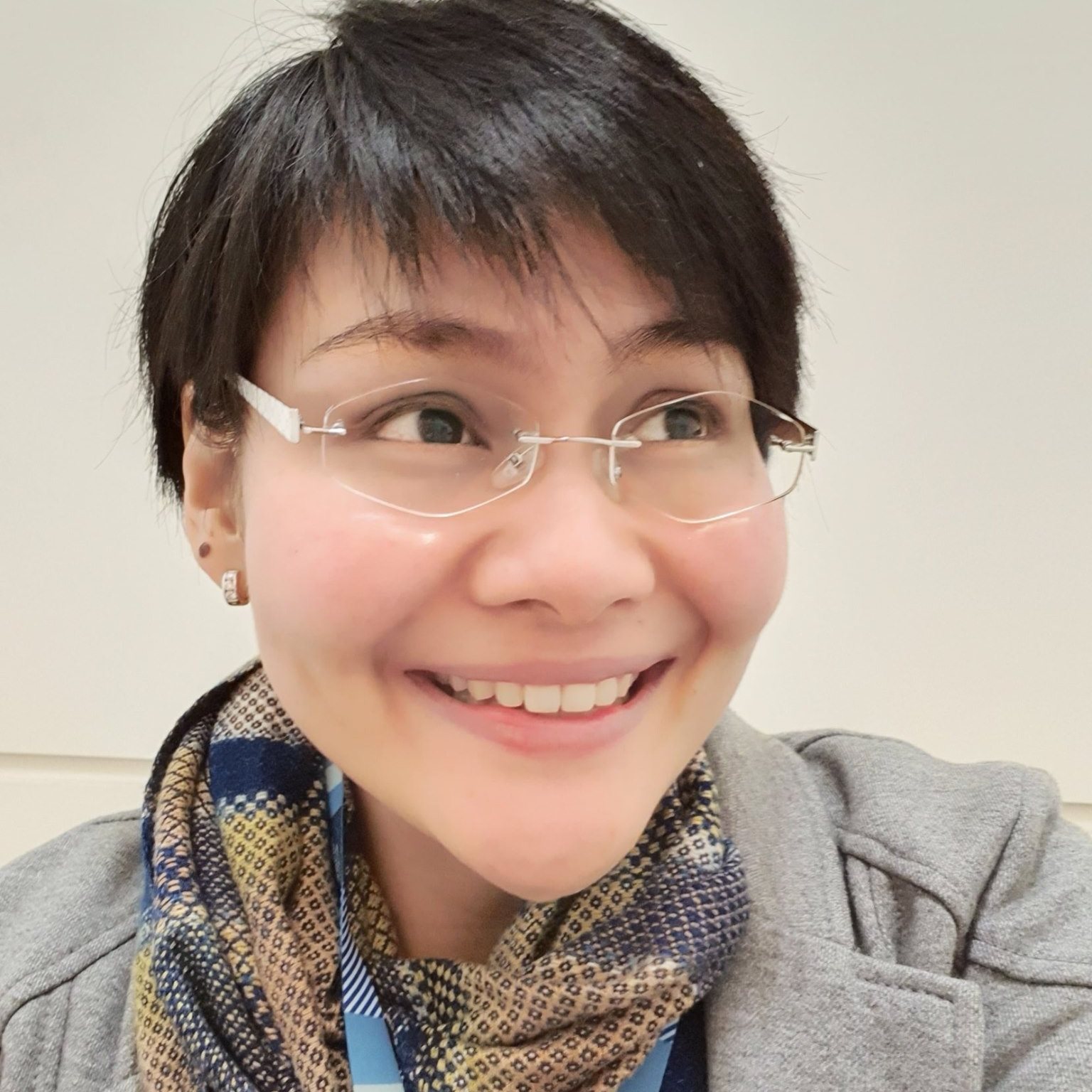
Claire Chewapreecha is a Thai computational biologist committed to improving public health through high-quality research and sustainable capacity building in infectious diseases. She has been fortunate to receive a series of studentships and fellowships supporting her academic and research journey, including the Royal Thai Government scholarship (A-Level to PhD, 2005–2014), the Cambridge Overseas Trust (undergraduate, University of Cambridge, 2007–2010), and the Sanger Institute studentship (PhD, University of Cambridge, 2010–2014). She was subsequently awarded a Sir Henry Wellcome Postdoctoral Fellowship (University of Cambridge–MORU, 2015–2019), a Wellcome International Intermediate Fellowship (MORU, 2019–2025), and most recently a Wellcome Career Development Fellowship (MORU, Thailand, Laos, and Cambodia, 2026–2034).
These opportunities have enabled her to build a research team focused on the genetics of melioidosis, a severely neglected tropical disease that remains a major public health burden in Thailand. Globally, melioidosis is estimated to affect around 165,000 people and cause approximately 89,000 deaths each year. Claire’s work aims to identify genetic factors associated with disease acquisition and outcomes, providing insights to improve diagnosis, treatment, and prevention. Her team has developed a rapid CRISPR-Cas diagnostic test, reducing diagnostic time from 3–4 days to under 4 hours, and is now extending its application to environmental screening to support prevention efforts. In 2024, she received the Nature Award for Inspiring Women in Science in recognition of her scientific achievements.