

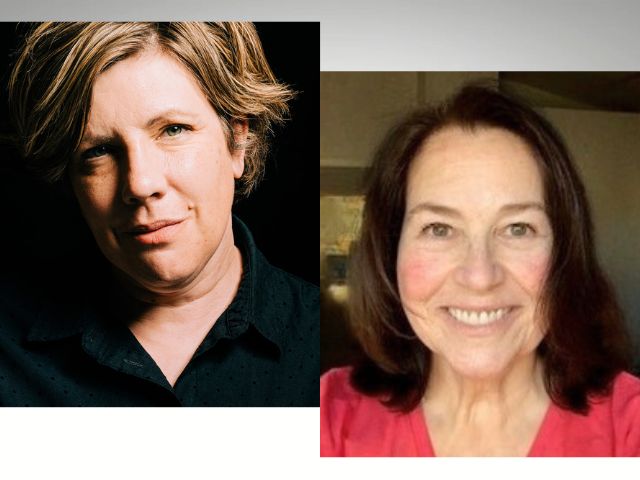
When academics accept prestigious visiting fellowships, their partners often face a difficult calculation: weighing the opportunity against concerns about career interruption, social isolation, and loss of identity. Yet two recent experiences at Churchill College reveal how thoughtful institutional support can transform what might feel like sacrifice into unexpected personal growth.
Lenora Bolton Treacy arrived at Churchill with considerable apprehension. An American business consultant ready to retire after 35 years, she had spent two years on a waiting list to study with a renowned art teacher at the Scottsdale Artist School – only to have her place coincide with her husband’s fellowship award. Beyond postponing her artistic aspirations, she worried about fitting into an elite academic environment, navigating life without a car, and being far from family during a politically turbulent time in the US.
Jane Liechty, a photographer originally from Sheffield but long-resident in America, faced different concerns. Halfway through completing her photography degree at Penn State, the sabbatical meant continuing her studies remotely whilst rebuilding the local network essential to her photographic practice. Having raised five now-adult children whilst prioritising family responsibilities, this year represented a pivotal moment in establishing her professional identity as her youngest had just started university.
Both women discovered that their fears were unfounded.
“I could not have been more wrong,” Lenora reflects emphatically. “I really want to emphasise this. I was wrong on every single count. Period.”
A Culture of Genuine Interest
What distinguished Churchill’s approach was not simply tolerance of partners’ presence, but active engagement with them as individuals. The College’s Fellowship community, spanning 249 members across various categories, creates a social ecosystem where curiosity about others is genuinely valued.
“Not only are the Fellows and the Master interesting people, but they are also INTERESTED,” Lenora notes, emphasising the distinction. “There is a massive difference in those two things.”
This culture manifested through multiple channels. High Table dinners, book clubs, wine tastings, musical performances, and Guest Nights all served to integrate partners into College life. The WhatsApp group for Sheppard Flats residents facilitated connections with neighbours, whilst Cambridge’s broader newcomers’ group offered daily activities.
Jane found similar openness when she boldly knocked on the door of the Communications Office, asking if she could contribute her photography skills. “I admit, I was a little nervous doing this, but I’m glad I did,” she recalls. The team responded with enthusiasm, suggesting events she could photograph – work that both developed her professional skills and deepened her College connections.
“I discovered that I loved event photography, a genre I had not tried before,” Jane explains. The experience proved transformative: she graduated in December 2024 as student marshal for Penn State’s School of Arts and Architecture, achieving the highest grades in the school that year.
Personal Investment in Partners’ Success
Individual relationships proved equally important to institutional structures. Both women credit Shireen Anderson, despite not being formally responsible for newcomers and managing personal bereavement, with making extraordinary efforts to ensure their integration.
“She really made a big difference, and I now consider her, and several others as lifelong friends,” Lenora says.
Jane similarly acknowledges: “Shoutout to Shireen Anderson for reaching out, making me feel very welcome, and connecting me with other women at Churchill.”
Most remarkably, the Master herself played a catalytic role in Lenora’s artistic development. At the unveiling of the Bill Brown Creative Workshops, Sharon Peacock took time to inquire about Lenora’s aspirations and invited her to create a painting depicting her unique view of the College.
“She made it easy by not adding pressure, not having a firm idea of what I should create, just gentle encouragement to continue my path uninterrupted by this relocation,” Lenora reflects. “This turned out to be a pivotal point for me.”
The project became Lenora’s artistic breakthrough. Through classes with the Cambridge Drawing Group, conversations with Fellows about art and value, and extensive time photographing the College’s grounds and sculpture collection, she found her distinctive style. The giant poppies, the fields of snowdrops and bluebells, the Barbara Hepworth sculpture – all became part of what she describes as “a daily visual feast.”
The confidence Lenora gained during her time at Churchill led directly to her next achievement: upon returning to Arizona, Lenora applied for and won a scholarship to the Scottsdale Artist School. Even more remarkably, the teacher she had originally waited two years to study with came out of retirement specifically to teach her cohort.
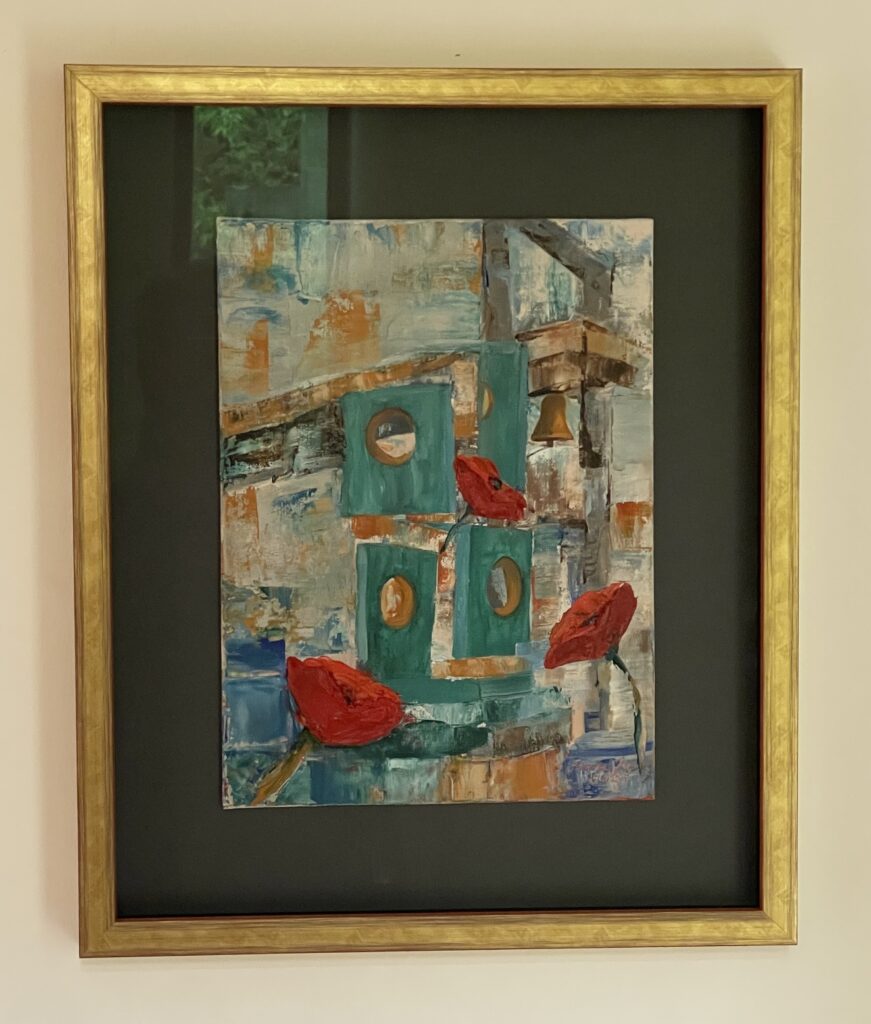
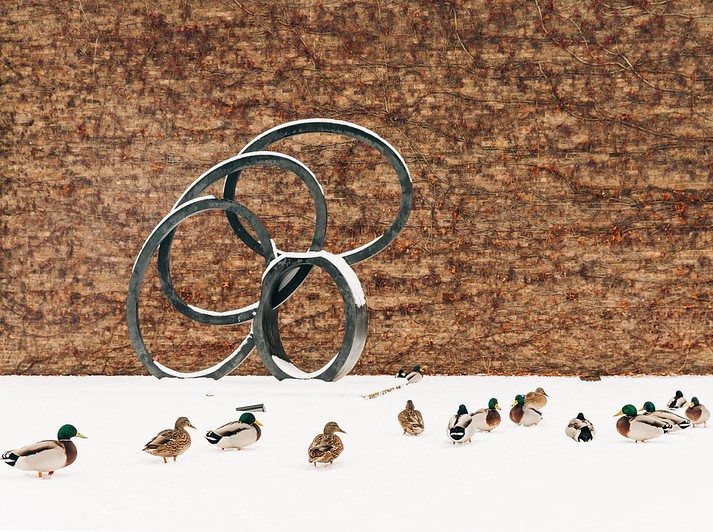
Lenora’s artwork (left) Jane Liechty Photography (right)
Advice for Future Partners
Both Jane and Lenora offer clear guidance for those considering similar moves. Jane emphasises the importance of proactive engagement: attending High Tables, finding community through local organisations, and utilising College resources including the consistently helpful porters.
Lenora’s advice is characteristically direct: “Let go of fear, make a decision and throw yourself into a new experience with every fibre of your being. Attend every gathering possible, meet as many people as you can.” She also notes practical considerations often overlooked: with video calling technology, maintaining connections with family and friends is straightforward. Certain fellowships provide accommodation for visiting guests, and the Sheppard Flats are spacious enough for comfortable hosting.
For Jane, whose sabbatical allowed her to reconnect with family in northern England whilst advancing her career, the experience created space for both professional development and personal renewal. “Every day, I biked into town to take photos,” she recalls. “I love photography and history; Cambridge combines both perfectly.”
The experiences of both suggest that Churchill’s approach to supporting partners goes beyond mere accommodation. By recognising partners as individuals with their own aspirations, creating multiple pathways for engagement, and demonstrating genuine personal interest, the College transforms what could be a year of sacrifice into a year of unexpected flourishing.